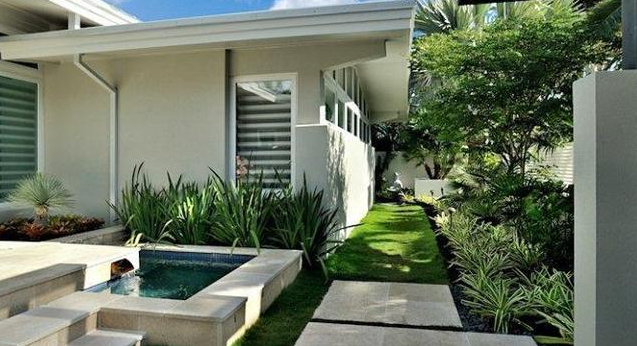
Garden renovation is an extensive process that transforms an outdoor space into a visually appealing and functionally useful area. One crucial step in this process is plastering, which involves applying a smooth, durable coating to various surfaces within the garden.
Plastering in the garden context typically involves the preparation of surfaces, application of a base coat, and then the finishing coat. The preparation stage is essential, as it ensures a smooth, flat surface for the plaster to adhere to. This involves cleaning, smoothing, and possibly priming the surface.
The base coat is usually a thicker layer of plaster, applied to build up the surface and provide a solid foundation for the finishing coat. It's crucial to ensure this layer is applied evenly and without any cracks or imperfections.
The finishing coat is the layer that gives the final look and feel to the surface. It's applied to a smoother and finer consistency, creating a polished appearance. Depending on the desired aesthetic, this coat can be left natural or painted with a choice of colors or finishes.
Throughout the plastering process, it's important to maintain moisture control and ensure proper curing of the plaster. This ensures durability and longevity of the finished surface.
In garden renovation, plastering not only enhances the aesthetic appeal but also plays a crucial role in waterproofing and protecting exterior walls and surfaces from weather damage. It's a key component of creating a functional and beautiful outdoor living space.




发表评论 取消回复